
Tanzania, health
Rungungu health centre and maternity unit
Hope that can save a life.
- a catchment area of about 9,000 people
- one dentist, several hours' travel away
- a doctor whose journey to work and back takes about five hours
- a building with no water and no electricity
We are building a new health centre and housing for the doctor, with a supply of water and electricity.
Today
A place meant to protect life cannot today offer even a dignified minimum.
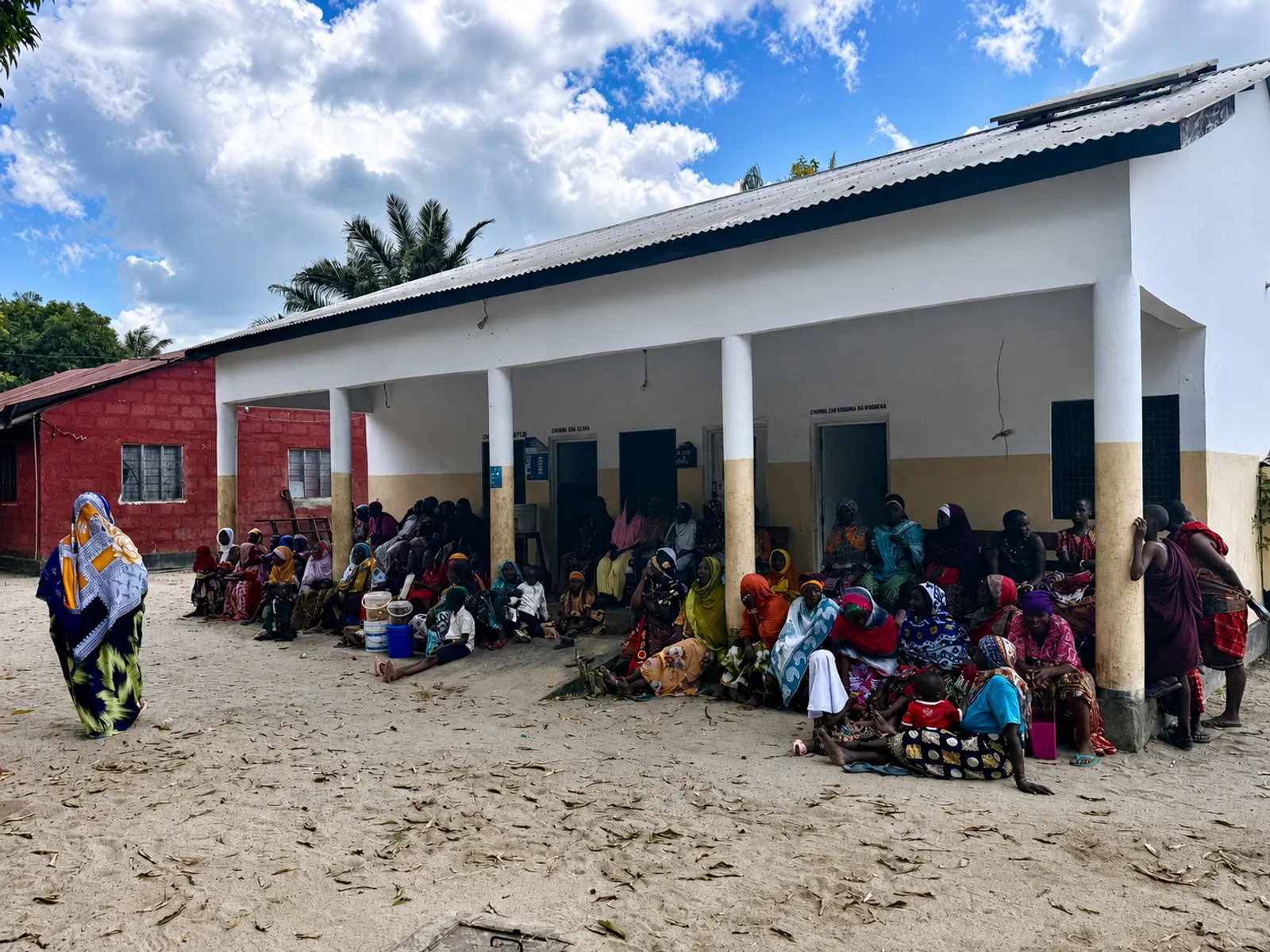
In the village of Rungungu there are families for whom medical help is still far away.
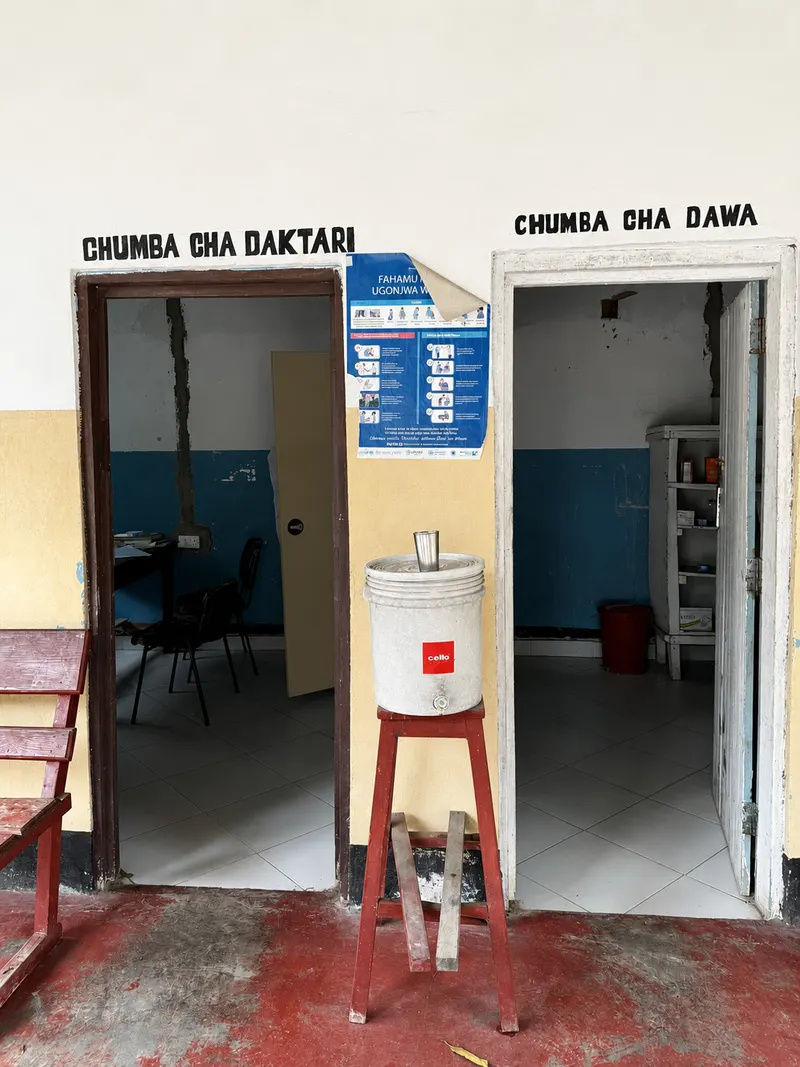
A health centre does stand here, but its condition is disastrous.
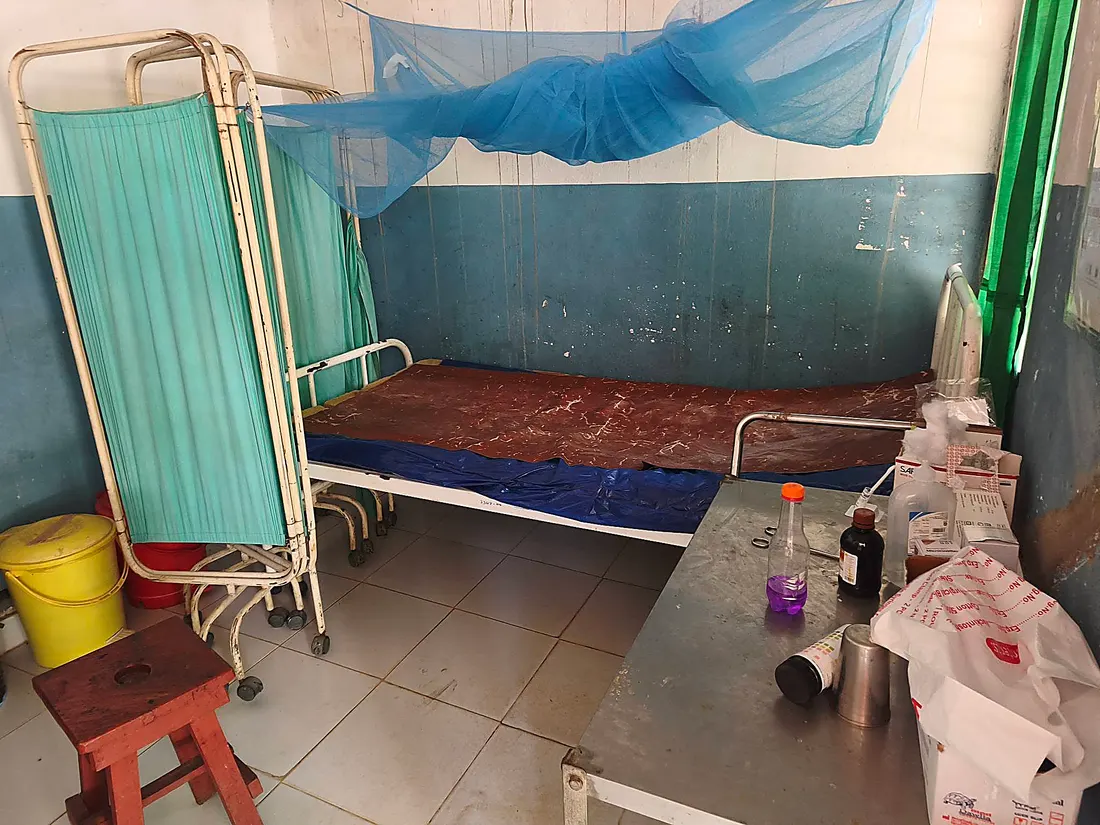
The building is damaged, with no water, no electricity and none of the hygienic conditions that treatment and a safe delivery require.
To this day the doctor has to fetch water from outside, which makes basic hygiene and the care of patients much harder.
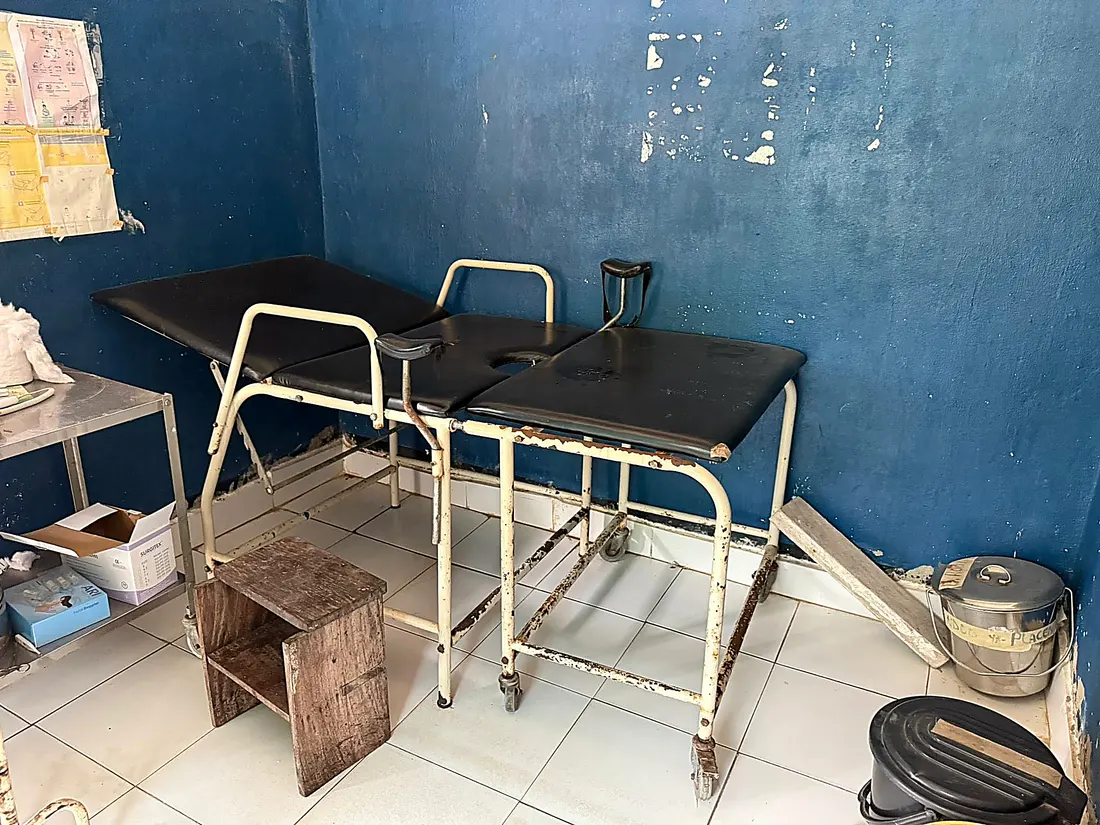
The help that is missing hurts
In a wide catchment area of about 9,000 people there is only one dentist, several hours' travel away.
For a large part of the population, dental care is therefore effectively out of reach.
Even basic health services can make an enormous difference to quality of life.
Tomorrow
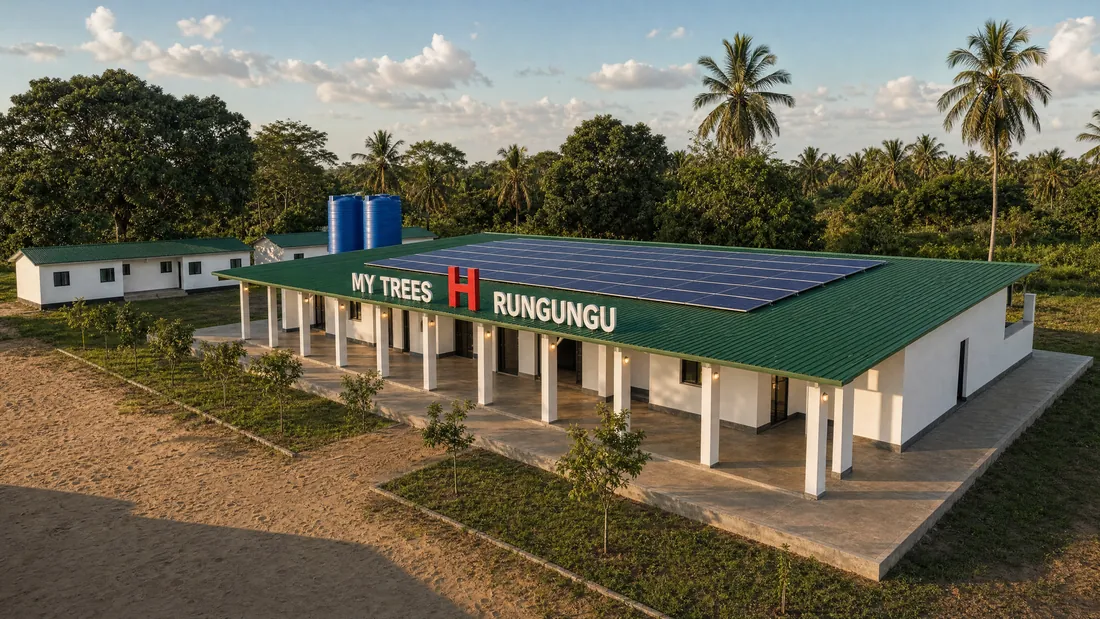
So a new health centre will be built
Instead of repairing an unsuitable building, we want to put up a new low-cost building in the natural African standard, so that it respects the local setting, local custom and sustainability.
Our aim is to create a clean, dignified and hygienic place of care where it will be possible to treat people safely and to bring children into the world.
A doctor who gets a chance to stay
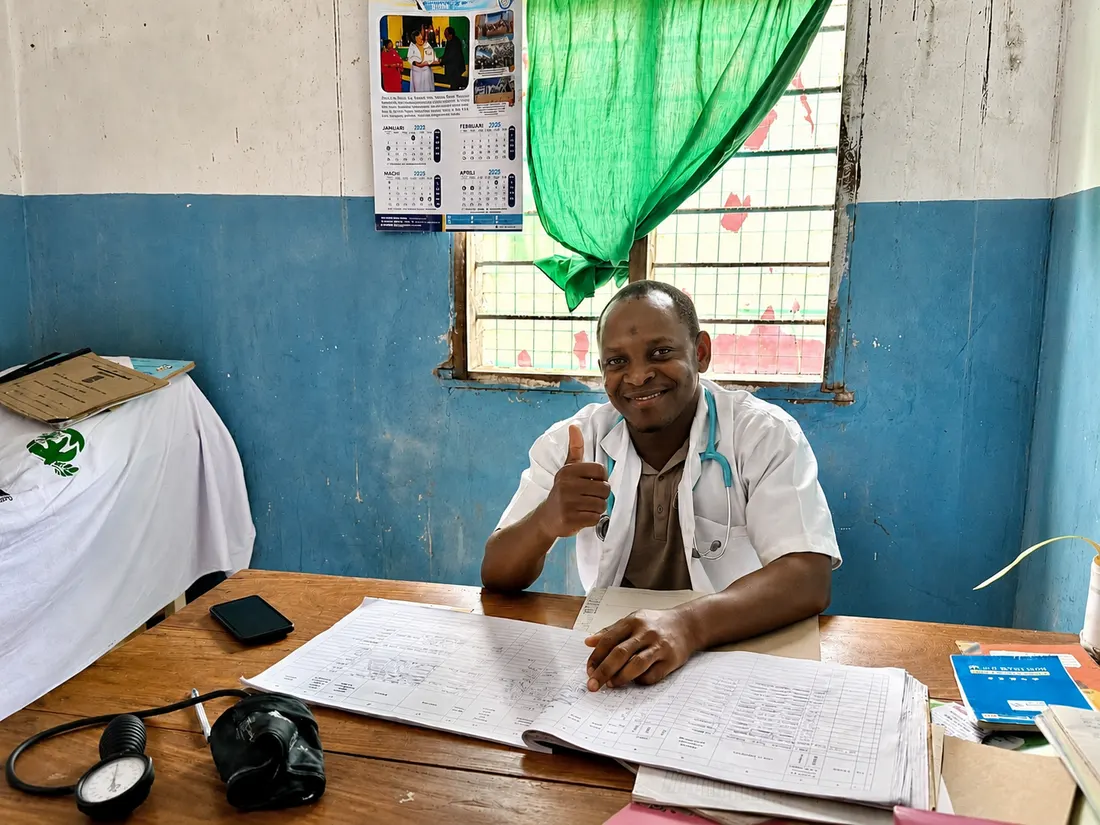
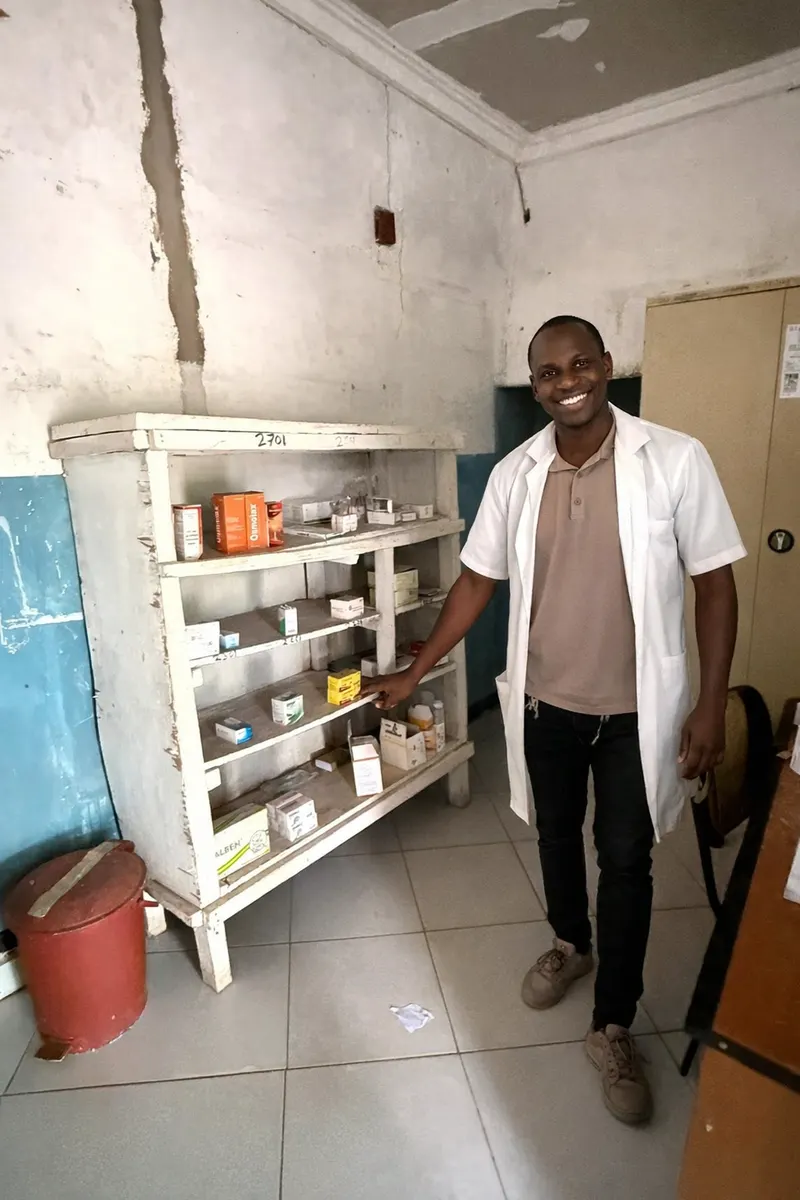
A young doctor, Dr. Abed Gagulah, travels in to the village. His journey to work and back takes about five hours.
The project therefore also includes simple housing right beside the health centre.
A place where the doctor can:
- stay close to his patients
- devote himself fully to the work
- start a family and a future in the community
What the centre manages today
The figures below come from meetings with Dr. Abed Gagulah, the doctor at the Rungungu health centre.
- Catchment area
- Rungungu, Mkwende, Miwaleni, Mungutwa and the surrounding settlements
- Population
- about 9,000, an indicative estimate for 2026
- Patients treated
- about 300 a month and 3,500 a year
- Most common conditions
- respiratory infections, malaria, urinary tract infections, anaemia and skin infections
- Births
- about 100 a year
Mothers who need specialist care are referred on to higher level facilities.
What would help most
The doctor named what he is short of in the daily care of patients:
- blood pressure monitors
- glucose meters
- bandages and gauze
- first aid supplies and materials for minor surgical procedures
Importing medical supplies is tied to legislation and customs procedures, so it is simpler to raise the money and buy the equipment in Tanzania. The support then goes exactly where the centre needs it.
Project phases
The new health centre with its maternity unit will grow step by step.
-
Today Phase 1: The foundation of safety
- construction of a new low-cost building
- running water brought in
- electricity supplied by solar power
There will be a working first-aid point.
-
Today Phase 2: Care for patients
- hospital beds
- an examination table
- basic equipment for the consulting room
Help will become genuinely available.
-
Today Phase 3: Hygiene and safety
- a steriliser
- a refrigerator for medicines and vaccines
- a washing machine and dryer for a clean medical environment
Care will be dignified and safe.
If we raise more
The help will continue:
- medical and consumable supplies
- support for the day-to-day running of the health centre
- cover for essential running costs
Why the help is urgent
The commonest illness in the region is malaria, which can be treated successfully if it is diagnosed in time. A simple blood test confirms it quickly, and if medicines are given early it responds well to treatment.
Even so, mothers still die in childbirth here today simply because the doctor has no basic equipment to hand or cannot provide the necessary care in time. These are deaths that could be prevented if medical help were available.
But without functioning health facilities, some help arrives too late.
- For children.
- For mothers.
- For the sick.
How you can help
- One-off gift Contribute any amount to our projects.
- Regular giving Even €1 a month helps change lives.
- 2% of your tax Assign your 2% and help at no extra cost. For Slovak taxpayers.
- Volunteer Community events and education.
- Partnership Become our partner.
- ESG for companies For companies, organisations and councils.